
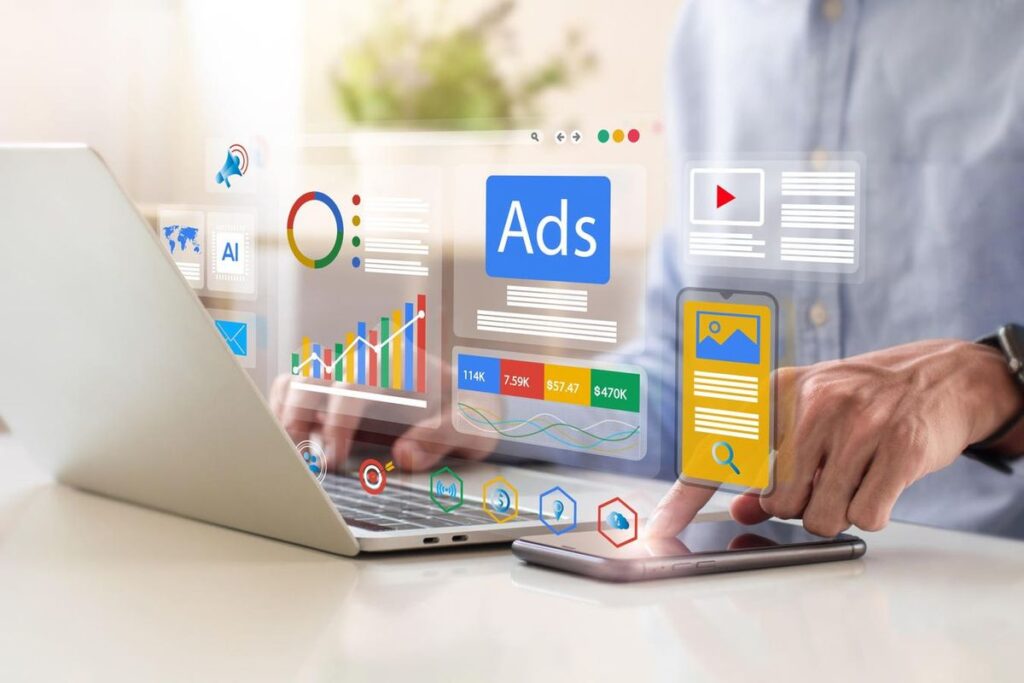
Performance Marketing Guide Intoduction
Performance Marketing Guide helps businesses understand how to drive measurable growth, generate quality leads, and maximize ROI using data-driven digital marketing strategies. Unlike traditional marketing, performance marketing focuses on results. Advertisers pay only when a specific action happens, such as a click, lead, or sale. This model allows companies to control their marketing budget while ensuring every campaign contributes directly to business growth.
What is Performance Marketing?
In performance marketing, advertisers only pay when a specific action happens. This Performance Marketing Guide explains that the action could be a click, a lead, an app download, or a purchase. Instead of paying only for visibility, brands focus on measurable outcomes. A performance marketing guide helps businesses understand how campaigns are structured so that they pay for real results rather than just ad exposure.
Some actions based on performance are:
Cost per click (CPC)
Cost per lead (CPL)
Cost per acquisition (CPA)
Cost per sale (CPS)
Sign-ups or installs of apps
According to this performance marketing guide, the key advantage is that marketing budgets are directly connected to measurable results. Businesses can track conversions, optimize campaigns, and improve ROI through data-driven decisions.
Why Performance Marketing Will Matter in 2026
There is more competition in the digital world, and this Performance Marketing Guide explains how businesses can stay ahead. Ad prices are going up, privacy rules are getting stricter, and people want ads that are tailored to them. A performance marketing guide helps marketers understand how data-driven marketing works and how to improve campaign results using real insights.
Businesses use performance marketing today for a number of important reasons, and this performance marketing guide highlights the key benefits:
- Tracking campaigns in real time
- More clear ROI
- Getting more customers is scalable
- Better use of budget
- Optimization with AI
Companies that follow a strong performance marketing guide and track their campaign performance correctly grow faster because they clearly understand what strategies work best in digital marketing.
Core Channels in Performance Marketing
1. Marketing through search engines (SEM)
Platforms like Google Ads get people who really want to buy something. Performance campaigns put your business right in front of people who are looking for a solution.
Best for:
- Getting leads
- Services in the area
- Buyers with a lot of intent
2. Ads on Social Media
You can target ads on Meta, LinkedIn, and Instagram very precisely based on things like behavior, interests, and demographics.
Best for:
- Finding a brand
- Campaigns to retarget
- Growth of online shopping
3. Marketing through affiliates
Brands work with publishers or creators to promote their products and only pay them when a sale is made.
Best for:
- Growing your audience with little risk
- Partnerships based on performance
4. Advertising on Displays and in Programs
AI-powered automated ad buying helps brands reach users on websites and apps while always improving conversions.
Best for:
- Awareness and retargeting
- Nurturing the funnel
5. Campaigns for Influencer Performance
Using affiliate links and promo codes to track conversions has replaced vanity metrics in influencer marketing.
Good for:
- Sales based on trust
- Specific groups of people
Important Performance Marketing KPIs You Need to Monitor
Measuring the correct numbers is essential to success.
Key performance indicators include:
- ROAS, or return on ad spend
- Cost of Acquiring Customers (CAC)
- Rate of Conversion
- Rate of Click Through (CTR)
- Value Over Time (LTV)
- The price per conversion
Marketers can find profitable campaigns and cut down on wasteful spending by monitoring these metrics.
Automation and AI's Place in Performance Marketing in 2026
Campaign optimization now heavily relies on AI.
Contemporary platforms automatically:
- Modify your bidding tactics
- Forecast audiences with high conversion rates
- Real-time creative optimization
- Boost targeting with behavioral data
While AI manages micro-optimization, marketers concentrate more on strategy and creative direction.
Performance Marketing's Advantages for Companies
- Only pay for quantifiable results.
- Quicker optimization and testing
- Precise tracking of attribution
- Enhanced effectiveness of marketing
- Models of scalable growth
It increases growth predictability while lowering risk for both new and established brands.
Conclusion
Digital advertising is now a quantifiable growth engine instead of a cost center thanks to performance marketing. Businesses that integrate automation, creativity, and data will be successful in 2026.
Companies now ask how effectively marketing generates revenue rather than whether it works. Performance marketing still rules contemporary growth strategies because of this change. https://wordpress.org/support/article/
Frequently Ask Questions
With performance marketing, a digital marketing strategy, companies only pay when certain outcomes—like clicks, leads, or sales—occur. It prioritizes quantifiable results over merely increasing brand awareness.
Performance marketing is results-driven, whereas traditional marketing frequently charges for impressions or reach. Data is used to track each campaign, and actual conversions and ROI are used to optimize budgets.
Google Ads, LinkedIn Ads, YouTube Ads, Meta Ads (Facebook and Instagram), affiliate networks, and programmatic advertising platforms are examples of popular platforms. Your target market and business objectives will determine which platform is best.
Return on Ad Spend (ROAS), Cost per Acquisition (CPA), Conversion Rate, Click Through Rate (CTR), Customer Acquisition Cost (CAC), and Lifetime Value (LTV) are important metrics.
Indeed. Because budgets can be managed and optimized, performance marketing is effective for small businesses. Compared to conventional advertising techniques, it lowers risk because you pay for results.
.
Depending on the competition, budget, and strategy, consistent optimization typically yields strong and scalable results in two to three months, though initial data and insights may show up in a matter of days or weeks.
